

At the core of those bits... lie oscillators. Why, you ask? I'll tell you...
What is an Oscillator?
Not to be confused with an ostrich, an oscillator is an electronic circuit that produces a repeated electronic signal. Ostriches lay eggs, run fast and are the largest living flightless bird - just to clear that up.
Basically, these are the clay of your synth sounds - the part that the rest of the sound will moulded from. There are several different types of oscillators, but we'll be concentrating on your regular, run-of-the-mill oscillator for now.

What sounds can it make?
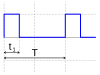
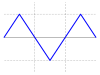
So your oscillator makes a repeated signal, but depending on the type of wave it repeats, the sounds can be vastly different. Let's go through some of the more commonly used ones...



Just so you're prepared to take on the world of oscillators, here are 3 useful techniques to remember when using them...
1. Using multiple oscillators and detuning them slightly can make a very powerful synth sound - this is great for those huge trance lead synths or some dirty drum and bass basslines.
2. Don't just settle for the oscillator on its own without experimenting; try playing with filters, distortion and other effects to get it sounding better!
3. If you really want to master oscillators, try producing some chiptune - this genre of music forces you to strip things down to the bare minimum and you'll find yourself using simple waves time and again!


